
Best Digital Pianos in 2026 🎹 (That I've Actually Tested)
So you've decided you want a digital piano. Smart move.
But now you're drowning in model numbers (CLP-this, FP-that, PX-whatever) and every website is telling you something different. One says Yamaha is king. Another says Roland. Someone on Reddit swears by Kawai. And there's always that guy recommending a $200 Amazon keyboard that'll "totally work fine."
Spoiler: it won't.
I've spent the last few years obsessively testing, comparing, and playing digital pianos at every price point. From $400 slab-style portables to $4,000+ furniture-style consoles that look like they belong in a movie set. And I've got opinions.
Whether you're a total beginner looking for your first real instrument, an intermediate player ready to level up, or someone who just wants the best damn piano they can fit in their apartment, this guide has you covered.
Here's every digital piano I'd actually recommend in 2026, organized by budget so you can skip straight to what matters to you.
My Top Picks at a Glance
- Best Overall (Beginner): Yamaha P-145BT
- Best Budget Beginner: Roland FP-10
- Best Beginner Sound: Kawai ES60
- Best for Growth: Roland FP-30X
- Best Slim & Stylish: Casio PX-S1100
- Best Intermediate Portable: Kawai ES920
- Best for Gigging: Casio PX-S3100
- Best Budget Console: Kawai KDP120
- Best Mid-Range Console: Yamaha CLP-835
- Best Premium Console: Yamaha CLP-885
- Best High-End Portable: Roland FP-90X
Best Digital Pianos for Beginners (Under $500)
Starting out? You don't need to spend a fortune, but you do need weighted keys. That's non-negotiable. Semi-weighted or unweighted keys will teach your fingers all the wrong habits, and switching to a real piano later will feel like moving from a tricycle to a motorcycle.
Here are my picks for beginners who want something that actually feels like a piano.
1. Yamaha P-145BT — Best Beginner Digital Piano
💬 "The one I recommend more than any other piano. Period."
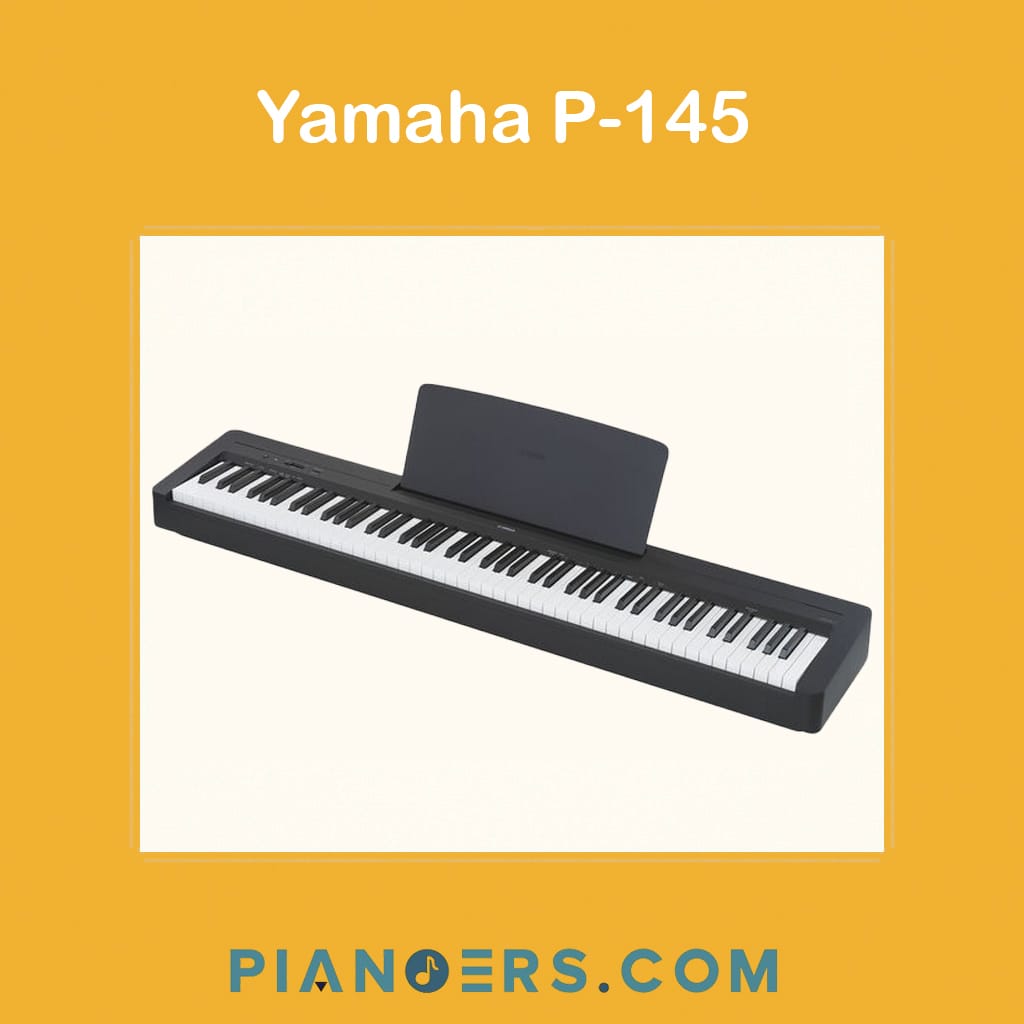
Why I Recommend It: You already know I love this one if you've read my full Yamaha P-145 review. It's simple, reliable, and plays like an instrument that costs twice as much. The Graded Hammer Compact action feels natural under your fingers: heavier on the left, lighter on the right, just like a real piano. The tone is clean and warm, sampled from Yamaha's legendary CFX concert grand. No gimmicks, no fuss, just a solid piano that lets you focus on actually playing.
What It Has:
- 88 fully weighted keys (GHC action)
- Yamaha CFX-sampled piano voice
- 24 instrument voices
- USB to Host for app connectivity
- Built-in speakers (7W + 7W)
- Super lightweight at just 24 lbs
Best For: Anyone who wants a no-nonsense practice piano that feels close to the real thing.
Downsides? The onboard speakers are just okay. Nothing spectacular. And the feature set is minimal. But honestly? For a beginner, fewer distractions is a good thing.
My Take: If someone asks me "what digital piano should I buy?" and they're a beginner, I say Yamaha P-145BT without even thinking about it. It's the safest, smartest first piano you can get. Pair it with headphones and a decent stand, and you're set for at least a couple of years.
2. Roland FP-10 — Best Budget Beginner
💬 "Entry-level, but doesn't play like it."
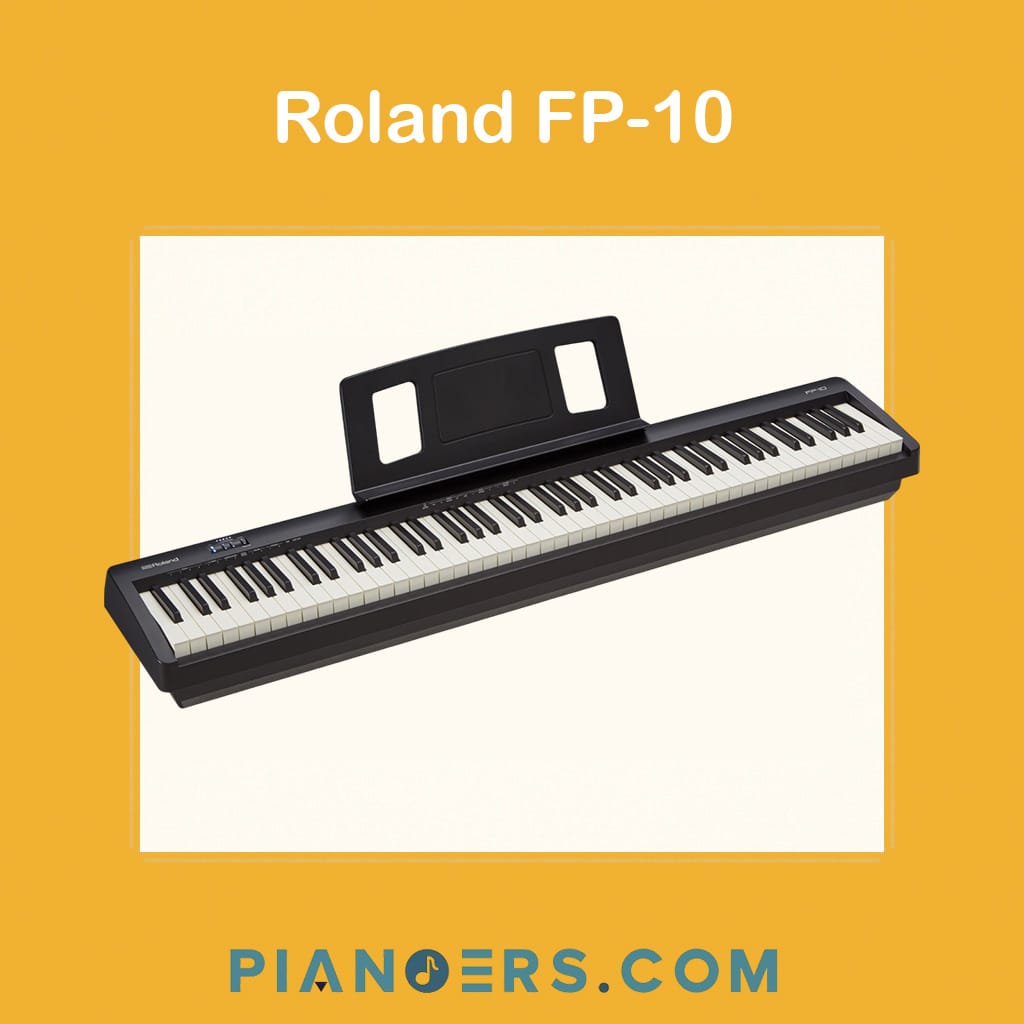
Why I Recommend It: The FP-10 is Roland's cheapest 88-key digital piano, but here's the thing: it shares the exact same PHA-4 Standard key action as the more expensive FP-30X (which costs $200 more). Let that sink in. You're getting Roland's signature key feel at a fraction of the price. The trade-off? Fewer sounds, no Bluetooth audio, simpler speakers. But the keys (the most important part) are the real deal.
Roland's SuperNATURAL sound engine is in here too, giving you a clean and dynamic piano tone that responds beautifully to how hard or soft you play.
What It Has:
- 88 keys with PHA-4 Standard action
- Roland SuperNATURAL sound engine
- 15 tones
- 96-note polyphony
- Bluetooth MIDI (via Roland Piano Partner app)
- USB to Host
- Built-in speakers (6W + 6W)
Best For: Complete beginners who want real key feel without breaking the bank. Also a solid choice for parents buying a first piano.
Downsides? Very basic feature set: only 15 sounds, no Bluetooth audio, and the speakers are small. No headphone 3D ambience like the FP-30X.
My Take: If your budget is tight and you want the best feeling piano you can get under $500, the FP-10 is hard to beat. It punches way above its weight where it matters most.
3. Kawai ES60 — Best Beginner Piano Sound
💬 "The new kid on the block that sounds like a $250,000 concert grand."
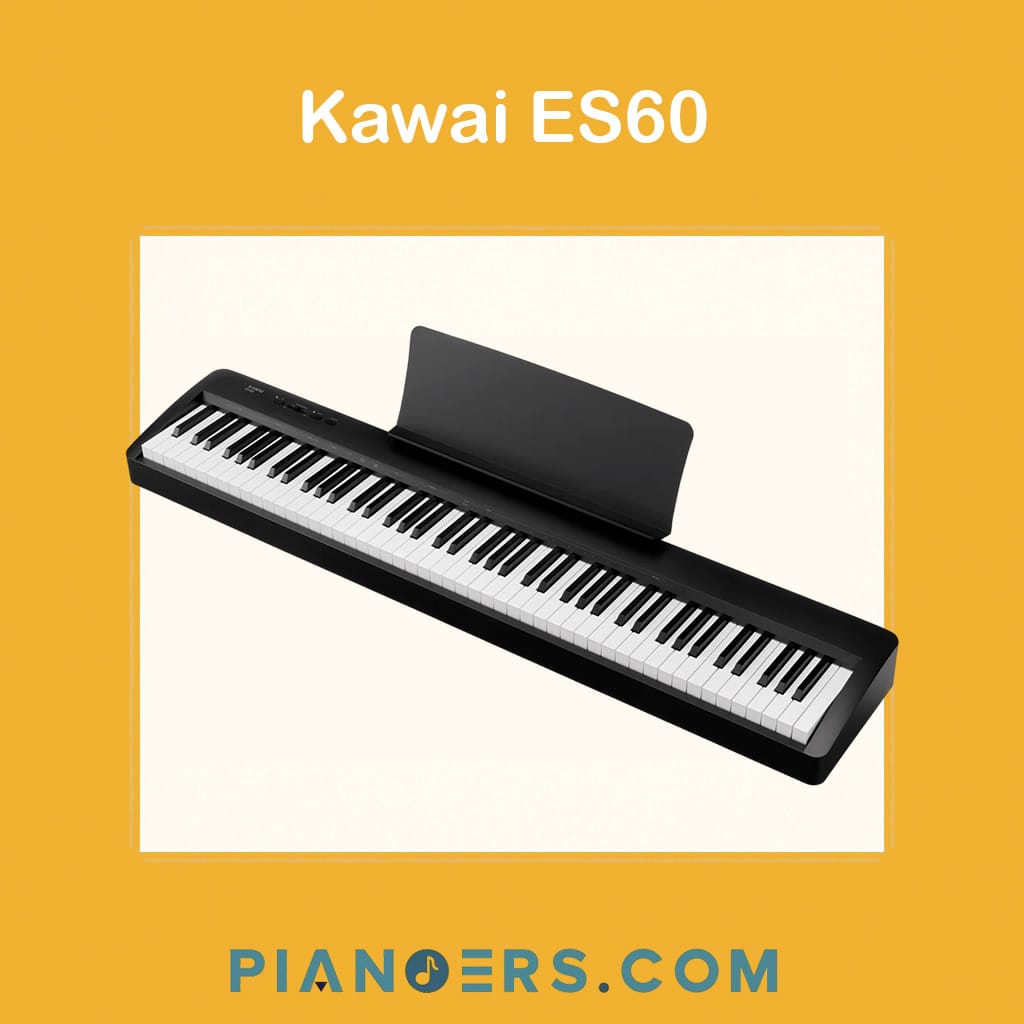
Why I Recommend It: Kawai finally entered the under-$500 game, and they didn't mess around. The ES60 uses samples from the Shigeru Kawai SK-EX, a handmade concert grand that sits alongside Steinways and Bösendorfers in the world's best recital halls. You're getting that sound in a $499 piano.
The new Responsive Hammer Lite (RHL) action is on the lighter side compared to Roland's PHA-4, but it's smooth, comfortable, and beautifully graded. And at just 24 lbs, it's one of the lightest 88-key weighted pianos on the market. Throw it in a gig bag and go.
What It Has:
- 88 keys with Responsive Hammer Lite (RHL) action
- Shigeru Kawai SK-EX concert grand piano samples
- Harmonic Imaging sound engine
- 17 instrument voices
- 192-note polyphony (massive for this price)
- Dual and Split playing modes
- 30 built-in drum rhythms
- USB-MIDI for app connectivity
- Dedicated stereo line outputs
- Built-in speakers (10W + 10W)
Best For: Beginners who prioritize sound quality above everything else. Also great for anyone who wants Kawai quality at a beginner price.
Downsides? No Bluetooth, so you'll need a wired connection for apps. The key action, while good, isn't as consistent as the FP-10's PHA-4 or as established as the P-145's GHC. And no recording feature built in.
My Take: If piano tone is what matters most to you, the ES60 might be the best-sounding beginner piano you can buy right now. That SK-EX sample set is genuinely stunning for this price point. Kawai's been making pianos since 1927, and you can hear it.
Best Intermediate Digital Pianos ($700–$2,000)
Okay, so you've been playing for a while. Maybe you started on a budget keyboard and you can feel its limitations. The keys aren't responding the way you want. The sound is flat. You're ready for something better.
This is the sweet spot of digital pianos. Not insanely expensive, but good enough that even classically trained pianists won't scoff at them.
1. Roland FP-30X — Best for Long-Term Growth
💬 "The one you buy once and don't upgrade for years."
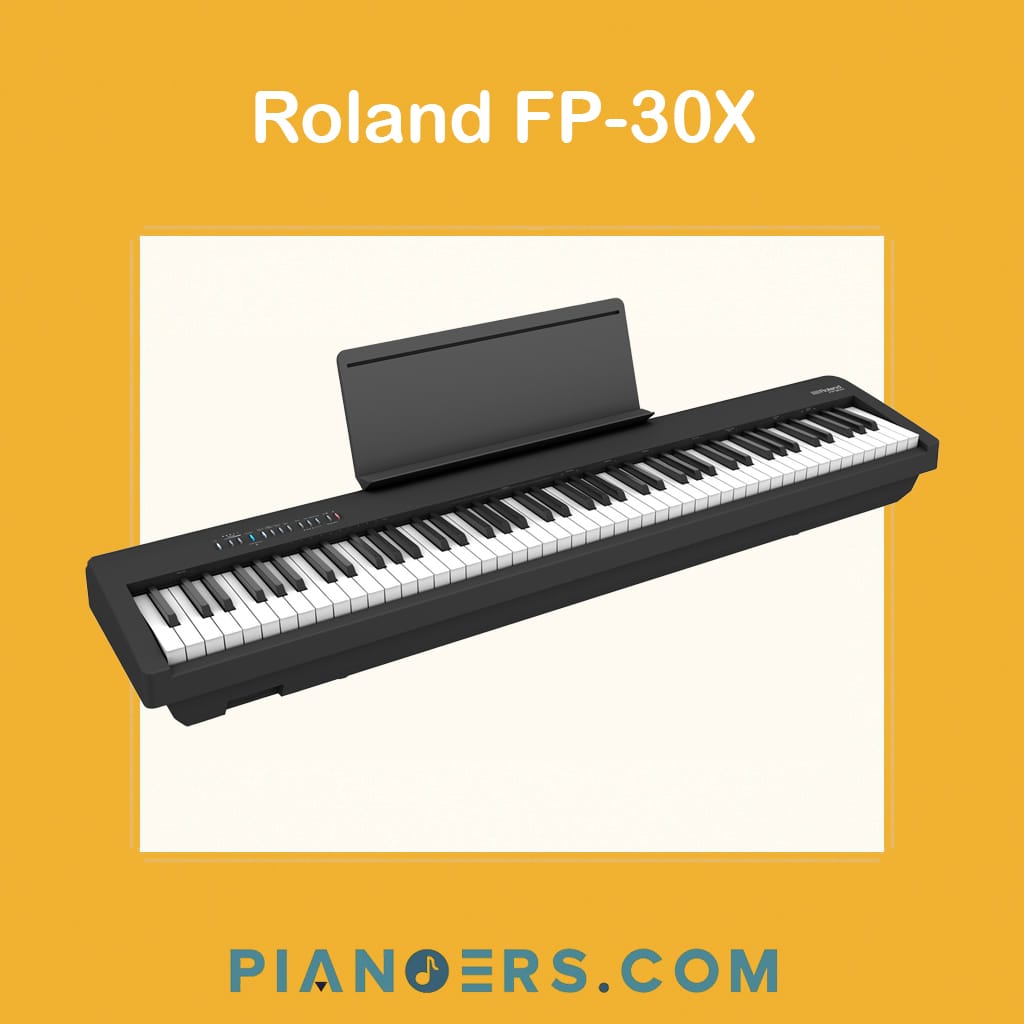
Why I Recommend It: I covered this in my beginner pianos article too, and it still holds up. At around $695, the FP-30X sits right at the border between beginner and intermediate, which makes it a brilliant choice for anyone who's serious about sticking with piano. The PHA-4 Standard key action with escapement and Ivory Feel keytops is a massive step up from cheaper models. You actually feel a subtle "click" when you press the keys. That's the escapement mechanism mimicking what happens inside a grand piano.
And then there's Bluetooth. MIDI and audio. Wirelessly stream your favorite songs through the piano's speakers while you play along. Connect to Simply Piano or Flowkey without a single cable. This is the future, and it's pretty sweet.
What It Has:
- 88 keys with PHA-4 Standard action (escapement + Ivory Feel)
- Roland SuperNATURAL sound engine
- Bluetooth MIDI + Bluetooth audio
- 256-note polyphony
- 56 instrument voices
- Built-in recorder and metronome
- Headphone 3D ambience
Best For: Adult learners, intermediate beginners, or anyone who wants one piano that'll last them for years without needing an upgrade.
Downsides? At $695–$700, it's a step up from the true beginner tier. It's also heavier than the P-145 or FP-10, so if portability matters, keep that in mind.
My Take: If you can stretch your budget past $500, this is where the magic starts. The feel is genuinely impressive for this price range, and the Bluetooth audio alone makes practice sessions so much more fun. This piano grows with you.
2. Casio Privia PX-S1100 — Best Slim & Stylish
💬 "Looks like a design object. Plays like a proper instrument."
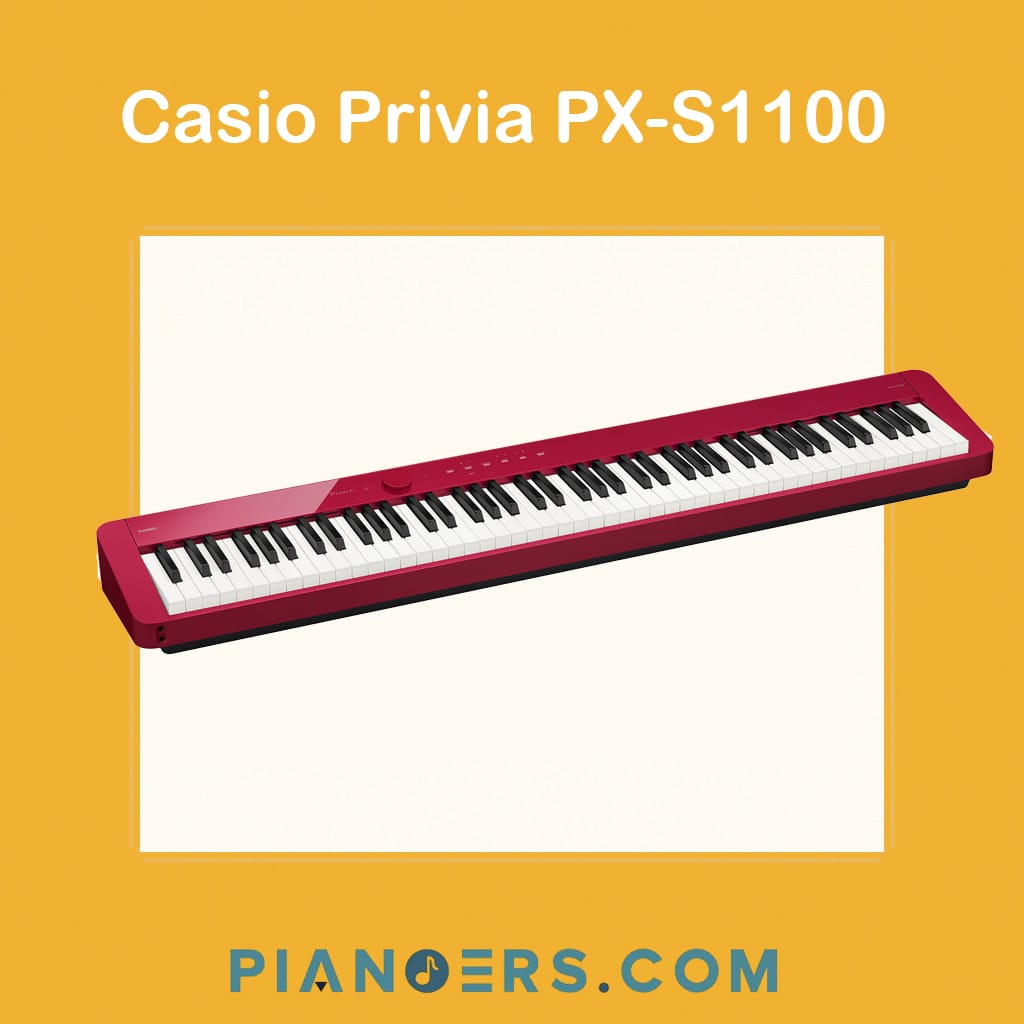
Why I Recommend It: I mentioned this in my beginner pianos piece too, and it's still one of my favorites. The PX-S1100 is absurdly slim. We're talking world's thinnest digital piano territory. But don't let the sleek looks fool you. It has Casio's Smart Scaled Hammer Action, which provides a surprisingly realistic feel for something this compact.
The piano tone is built on Casio's Multi-Dimensional Morphing AiR sound source, and it sounds genuinely good. Clean highs, warm lows, and decent dynamic range. Plus, Bluetooth audio lets you stream music through the piano's speakers, perfect for playing along with your favorite tracks.
What It Has:
- 88 fully weighted keys (Smart Scaled Hammer Action)
- Multi-Dimensional Morphing AiR sound engine
- 18 voices
- 192-note polyphony
- Bluetooth audio
- USB-MIDI
- Available in black, white, or red
- Incredibly slim and light (25 lbs)
Best For: Apartment dwellers, style-conscious players, anyone who needs a quality piano that won't dominate their living space.
Downsides? The touch-sensitive controls (instead of physical buttons) take some getting used to. You'll accidentally change settings while cleaning the thing. And the key action, while good, isn't in the same league as the Roland or Kawai models at this price.
My Take: If your space is limited or aesthetics matter to you (no judgment, they matter to me too), the PX-S1100 is a fantastic choice. It proves that a piano can be beautiful and functional.
3. Kawai ES920 — Best Intermediate Portable
💬 "The sleeper hit. Most people don't know about Kawai, and that's their loss."
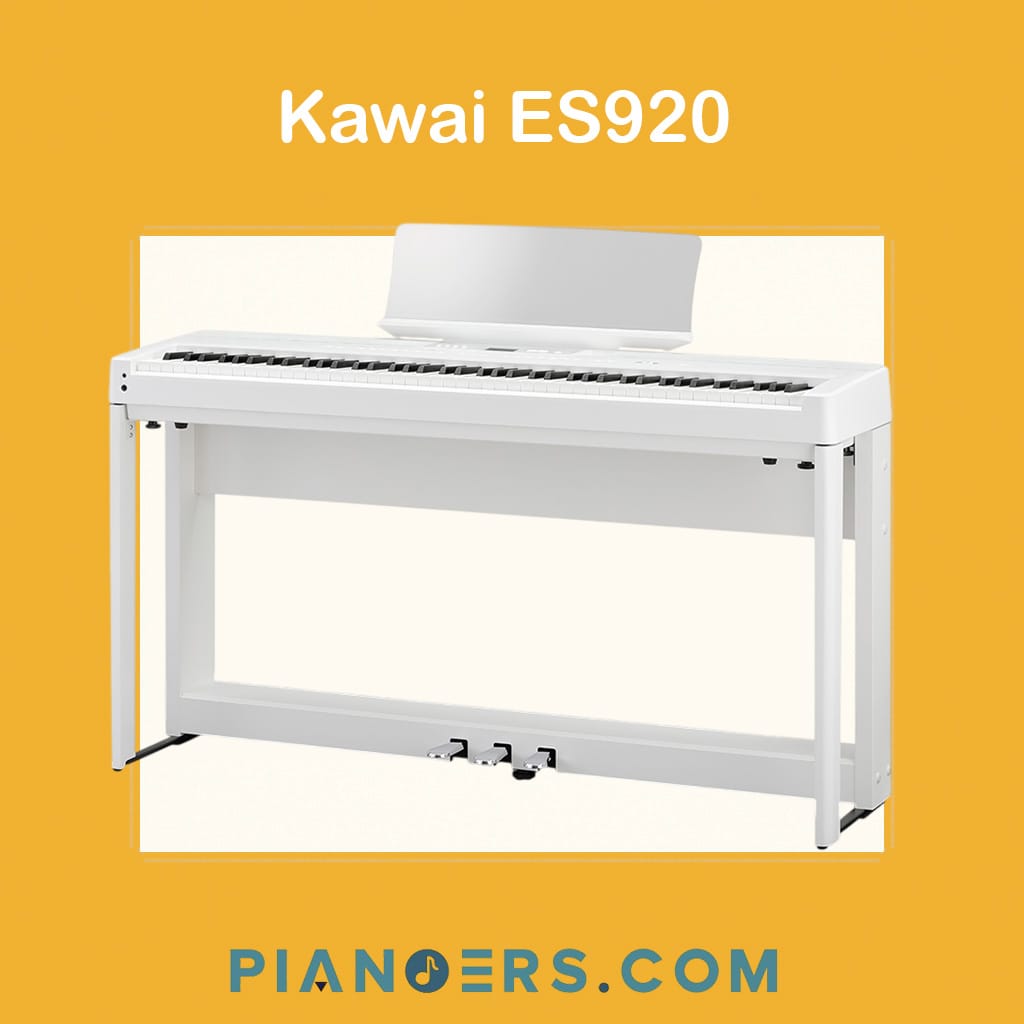
Why I Recommend It: Kawai is the brand that doesn't get enough love in the beginner space, but among intermediate and advanced players? They're royalty. The ES920 has Kawai's Responsive Hammer III action with 88 keys with triple-sensor detection, counterweights, and let-off simulation. Translation: it feels incredible.
The sound engine uses Harmonic Imaging XL technology, built from samples of Kawai's flagship SK-EX concert grand. It's rich, expressive, and responds to your touch in a way that cheaper pianos simply can't.
What It Has:
- 88 keys with RH III action (triple sensor, counterweights, let-off)
- Harmonic Imaging XL sound engine (SK-EX samples)
- 256-note polyphony
- Bluetooth MIDI + audio
- 38 instrument voices
- Line out, USB, MIDI
- Onboard recorder
- Powerful speakers (20W + 20W)
Best For: Intermediate players who want professional-grade key action and sound in a portable package. Also great for gigging musicians.
Downsides? It's not cheap, typically around $1,950. And it doesn't have the brand recognition of Yamaha or Roland, so finding demos in local stores can be harder.
My Take: If you're past the beginner phase and want a portable piano that can truly rival the feel of an acoustic, the ES920 is the one to get. I was genuinely surprised the first time I played it. The action is buttery smooth and the sound has real depth.
4. Casio PX-S3100 — Best for Gigging & Versatility
💬 "It's a piano. It's a workstation. It's ridiculously portable."
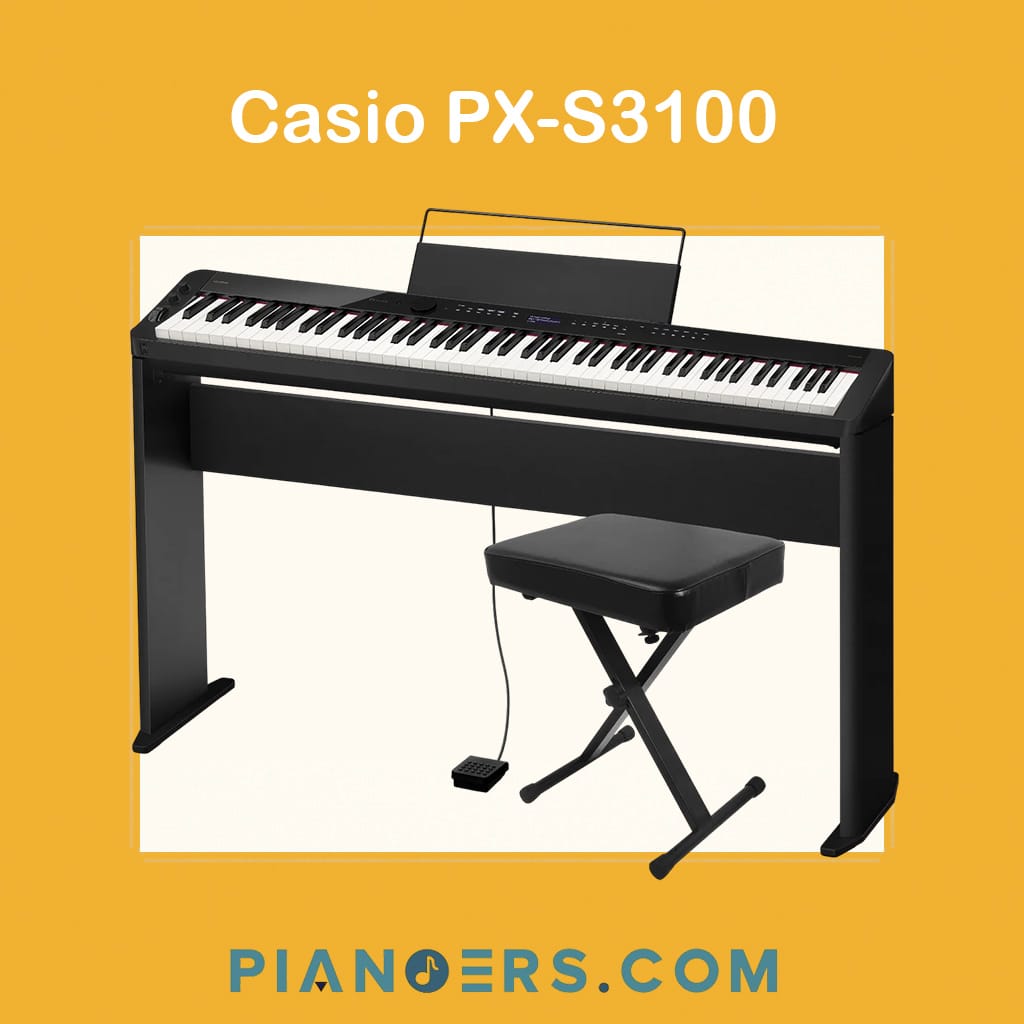
Why I Recommend It: While the PX-S1100 keeps things focused on piano, the PX-S3100 opens the floodgates. You get the same slim body and hammer action, but now with 700+ tones, 200 rhythms, a pitch bend wheel, and knobs for real-time sound control. If you're a gigging musician, a songwriter, or someone who likes to experiment beyond just piano, this is your Swiss Army knife.
And it still weighs about 24 lbs. That's insane for what it packs in.
What It Has:
- 88 fully weighted keys (Smart Scaled Hammer Action)
- 700+ tones (including synths, organs, strings, and more)
- 200 built-in rhythms with auto-accompaniment
- Pitch bend wheel and 2 assignable knobs
- Bluetooth MIDI + audio
- Mic input with vocal effects
- USB audio recording
- Battery operation option
Best For: Gigging musicians, singer-songwriters, producers, or anyone who wants a versatile music workstation that also happens to be a solid piano.
Downsides? The piano purists will argue (correctly) that the key action isn't as refined as Kawai or Roland models at this price. And with 700+ sounds, the interface can feel overwhelming at first.
My Take: This isn't just a digital piano. It's a creative tool. If you only play classical piano, you don't need this. But if you like to mess around with sounds, play gigs, or produce music? The PX-S3100 is ridiculously fun and absurdly portable.
Best Console (Home) Digital Pianos
Console pianos are the ones that look like actual furniture. They've got built-in stands, proper three-pedal units, and (this is the big one) significantly better speaker systems than portable models. If your piano is staying in one spot at home, a console is almost always the better choice.
Yeah, they cost more. But you're paying for an experience that's genuinely closer to sitting at an acoustic piano.
1. Kawai KDP120 — Best Budget Console
💬 "The affordable console that doesn't cut corners where it counts."
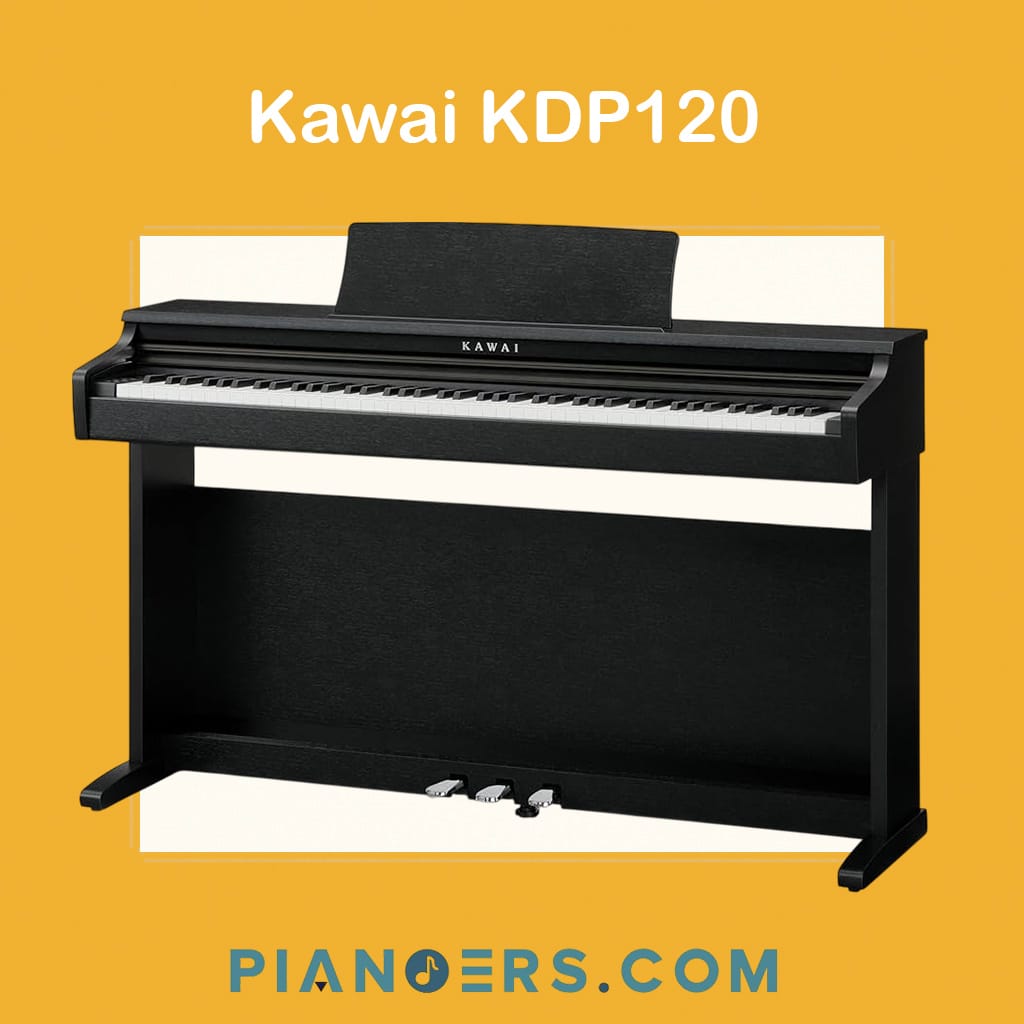
Why I Recommend It: If you want a proper furniture-style piano without spending $2,000+, the KDP120 is your answer. Kawai packed their Responsive Hammer Compact II action in here. It's not as advanced as the RH III in the ES920, but it's still a very satisfying key action with a realistic weight gradient.
The sound comes from Kawai's Harmonic Imaging engine with 15 instrument voices, and the two 20W speakers in the cabinet produce a much fuller sound than any portable piano in this price range. It also comes with a matching bench in some bundles, which is a nice touch.
What It Has:
- 88 keys with RH Compact II action
- Harmonic Imaging sound engine
- 15 instrument voices
- 192-note polyphony
- Built-in 3-pedal unit
- Elegant furniture cabinet
- Headphone jacks x 2
- USB to Host
Best For: Beginners and intermediate players who want a console piano experience without the premium price tag.
Downsides? No Bluetooth. The feature set is intentionally minimal: no recorder, no split/layer modes, no fancy connectivity. And the sound, while good, doesn't have the complexity of the CLP-835 or CN301.
My Take: The KDP120 is proof that you don't need to spend a fortune to get a beautiful-looking, great-sounding home piano. If you're on a budget and want something that'll look elegant in your living room, this is it.
2. Yamaha CLP-835 — Best Mid-Range Console
💬 "This is where digital starts feeling like acoustic."
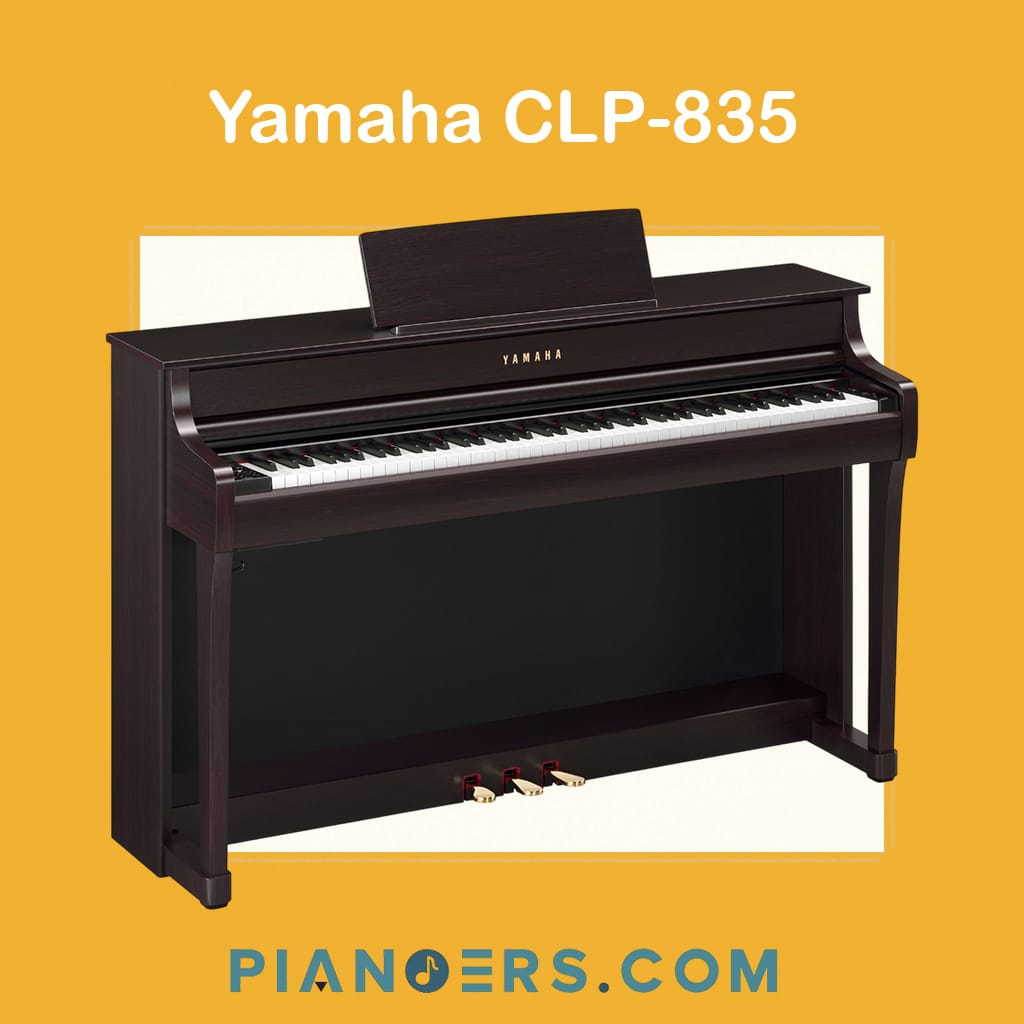
Why I Recommend It: The CLP-835 is part of Yamaha's legendary Clavinova line, and honestly? This is where things get really good. The GrandTouch-S keyboard has long, wooden keys that move and feel remarkably close to a concert grand. Yamaha's CFX and Bösendorfer Imperial voices are both included, two of the world's most iconic grand piano sounds, captured with obsessive detail.
But what truly sets the CLP-835 apart is the technology working behind the scenes. Virtual Resonance Modeling (VRM) recreates how strings interact inside a real piano. When you hold down one note and play another, you hear subtle overtones and sympathetic vibrations. Grand Expression Modeling captures how your touch changes the sound, not just how hard you press but how you release, how you transition between notes. It's subtle stuff, but it's the kind of thing that makes you go "whoa, this actually feels alive."
What It Has:
- 88 keys with GrandTouch-S action (wooden keys)
- Yamaha CFX and Bösendorfer Imperial voices
- Grand Expression Modeling + VRM
- 38 instrument voices
- 256-note polyphony
- Bluetooth MIDI + audio
- Smart Pianist app compatible
- Powerful 2-way speaker system (30W + 30W)
- 3-pedal unit with half-pedal support
Best For: Serious students, advanced home players, anyone who wants the authentic acoustic piano experience without the tuning, maintenance, and space requirements.
Downsides? It's around $3,200–$3,500 depending on finish. That's real money. And it's heavy. You're not moving this thing without a buddy (or two).
My Take: If you're serious about piano and want something for your home that'll inspire you every time you walk past it, the CLP-835 is where the Clavinova magic really kicks in. It's the sweet spot of the entire CLP range. You get almost everything the higher models have, without the eye-watering price of the CLP-885. This piano honestly makes me forget I'm not playing an acoustic.
3. Yamaha CLP-885 — Best Premium Digital Piano
💬 "The best digital piano I've ever played. Full stop."
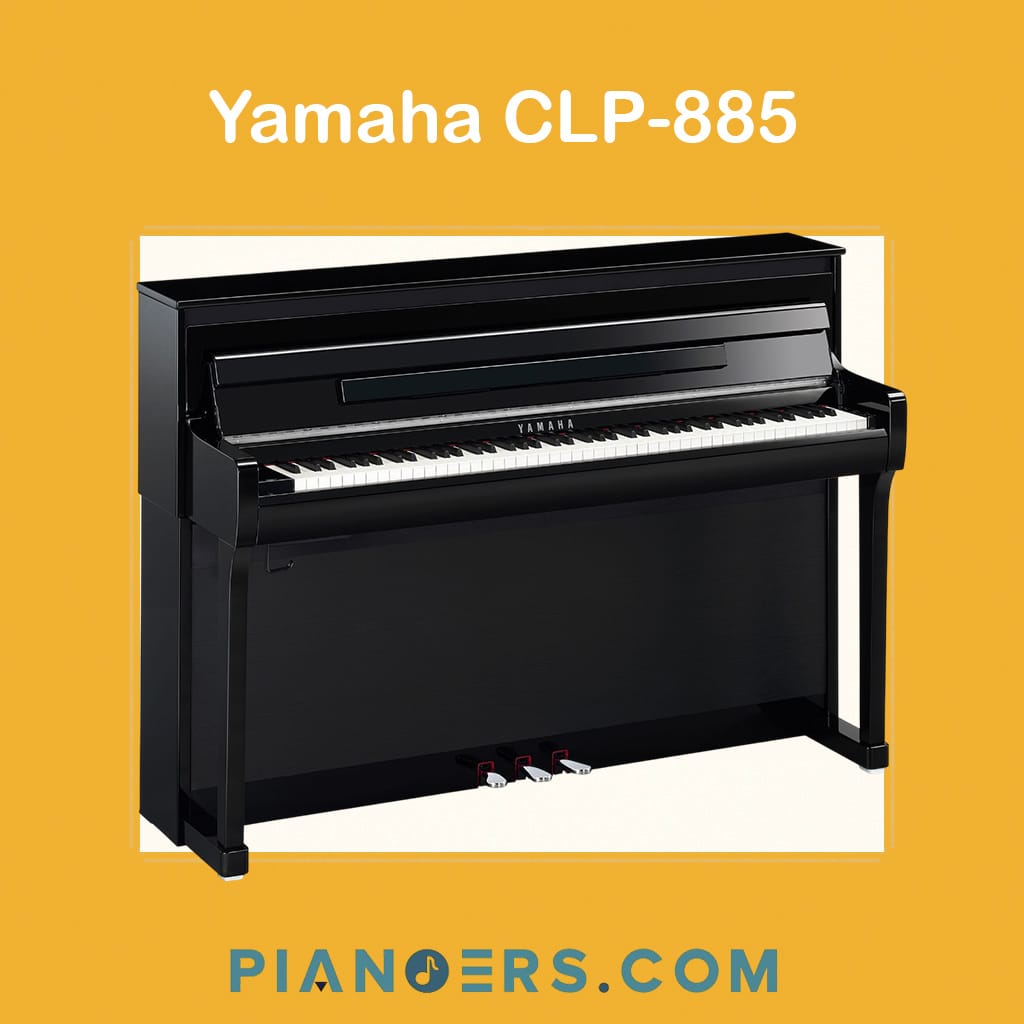
Why I Recommend It: I'm not going to sugarcoat it: the CLP-885 is expensive. Like, really expensive. But if you have the budget, this is as close to a grand piano experience as digital gets in 2026.
The GrandTouch keyboard (not GrandTouch-S, the full GrandTouch) features solid wooden keys with individual counterweights and authentic escapement. Three sensors per key capture every nuance of your playing. It genuinely feels like sitting at a Yamaha grand. I'm not exaggerating.
The speaker system is a beast: six speakers, diffusers, bidirectional horns, and a redesigned cabinet that projects sound both forward and backward. It fills a room the way an acoustic does. The voices include the CFX and Bösendorfer Imperial with binaural sampling, plus a collection of historical pianos and fortepianos that classical players will absolutely geek out over.
And the little details: a soft-close fallboard (so you never slam the lid), a hidden touch LCD display that disappears when you're not using it, and compatibility with Yamaha's Smart Pianist app for everything from sheet music to lessons.
What It Has:
- 88 keys with GrandTouch action (wooden keys, counterweights, 3 sensors)
- CFX + Bösendorfer Imperial binaural voices
- Grand Expression Modeling + VRM
- 53 voices + 480 XG voices + 14 drum kits
- 256-note polyphony
- 6-speaker system with diffusers (300W total)
- Bluetooth MIDI + audio
- GP Response Damper pedal system
- Hidden touch LCD display
- Soft-close fallboard
- Built-in lesson library (Hanon, Czerny, Burgmüller)
Best For: Advanced players, piano teachers, serious enthusiasts, and anyone who wants the absolute best digital piano experience money can buy (in an upright cabinet).
Downsides? Price. You're looking at $5,000+ depending on finish (the polished ebony and white versions are even more). At that point, you could buy a decent used acoustic upright. And it weighs around 168 lbs, so... it's not going anywhere once you set it up.
My Take: If you've got the budget and you want a digital piano that makes you forget it's digital, this is the one. I've played acoustic grands that don't feel this good. The CLP-885 is Yamaha saying "we dare you to tell the difference." For most people, the CLP-835 is the smarter buy. But if you want the absolute pinnacle? This is it.
4. Roland FP-90X — Best High-End Portable
💬 "The portable piano that doesn't compromise on anything."
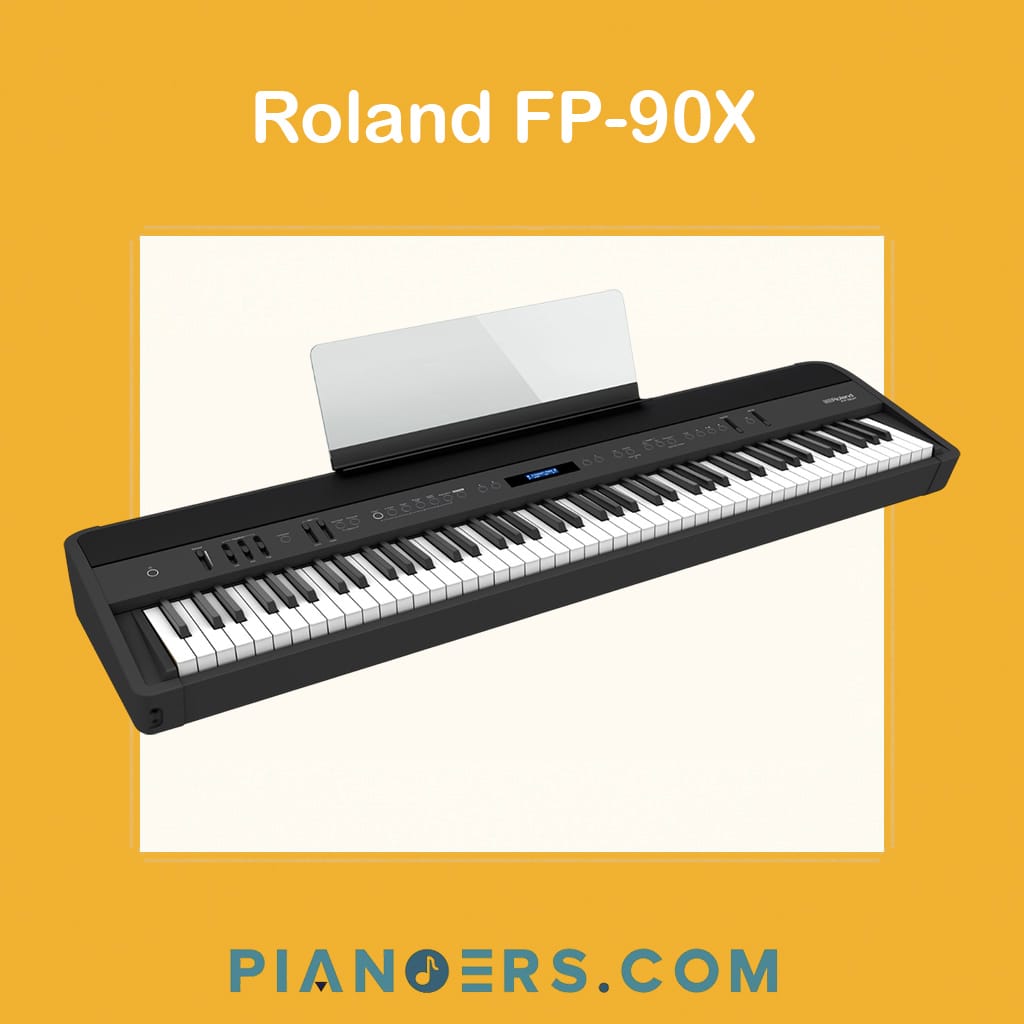
Why I Recommend It: Most portable pianos make trade-offs. Smaller speakers, simpler key action, fewer features. The FP-90X says "nah" to all of that. It has Roland's PHA-50 hybrid key action, real wood combined with molded materials. It feels premium without being ridiculously heavy. The sound engine is Roland's PureAcoustic Piano Modeling, which doesn't use samples at all. Instead, it mathematically models how every component of a piano interacts in real time. The result is a sound that's eerily organic and endlessly expressive.
What It Has:
- 88 keys with PHA-50 hybrid action (wood + molded)
- PureAcoustic Piano Modeling sound engine
- 362 voices
- 256-note polyphony
- Bluetooth MIDI + audio
- Powerful 4-speaker system (60W total)
- Mic input with effects
- USB audio recording
- Headphone 3D ambience
Best For: Advanced players who need a portable instrument that doesn't sacrifice sound or feel. Perfect for studio musicians, gigging pianists, and anyone who wants Roland's best in a slab-style form factor.
Downsides? Pricy, around $2,300. And while it's technically portable, it's one of the heavier "portable" options at around 51 lbs. You'll want a quality stand because an X-stand looks ridiculous under something this premium.
My Take: If you need a portable piano that can do everything and sound incredible doing it, the FP-90X is in a class of its own. It's the only portable I've played that genuinely made me forget I wasn't sitting at a console.
Brand Showdown: Yamaha vs Roland vs Kawai vs Casio
One of the most common questions I get is: "which brand is best?" The honest answer? They're all great, but they're great in different ways. Here's the quick breakdown:
Yamaha. The safe choice. Incredible piano tone (they literally make acoustic grands), reliable build quality, and the most familiar name in the game. Their Clavinova line is the gold standard for home digital pianos. If you're unsure, go Yamaha. You won't regret it.
Roland. The innovator. Roland doesn't make acoustic pianos. Instead, they use modeling technology rather than samples to create sound. Their PureAcoustic Modeling engine mathematically simulates how a piano works in real time, producing extremely responsive and organic tone. Their key actions are consistently excellent, even at lower price points. Best Bluetooth implementation in the business.
Kawai. The pianist's brand. Kawai has been making acoustic pianos since 1927, and their digital pianos reflect that heritage. The key actions tend to be the most realistic in their respective price classes. If touch and feel are your top priorities, Kawai often wins.
Casio. The value king. Casio gets unfairly overlooked because of their calculator reputation, but their Privia line is legit. They consistently deliver the slimmest, lightest designs with surprisingly good sound and feel. If space or budget is a concern, look at Casio first.
Digital Piano Buyer's Guide: What Actually Matters
If all the specs and jargon are making your head spin, here's what you really need to focus on:
Key Action (Most Important!): This is the single most important spec. You want fully weighted, hammer-action keys. Period. Semi-weighted is fine for a cheap keyboard, but if you want to develop proper technique and transition to an acoustic piano someday, hammer action is non-negotiable. If you want to understand more about why this matters so much, check out our acoustic vs digital piano guide.
Sound Engine: Two main approaches exist: sampling (recording actual piano sounds and playing them back) and modeling (mathematically simulating how a piano works). Both can sound amazing. Yamaha and Kawai primarily use sampling; Roland primarily uses modeling. The best models blend both.
Polyphony: This is how many notes the piano can produce simultaneously. You'd think 88 keys = 88 notes max, right? Not quite. Sustain pedal, layers, and reverb all eat into polyphony. Aim for at least 128 notes. Ideally 256.
Speakers: Portable pianos have small speakers. Console pianos have bigger, better-positioned speakers. If you're mostly playing at home and want to hear your piano the way it's meant to sound, a console with a proper speaker system makes a huge difference. If you're on a portable model, invest in good headphones. You'll hear details the built-in speakers can't reproduce.
Connectivity: At minimum, you want USB to Host for connecting to learning apps and DAWs. Bluetooth MIDI is a fantastic bonus that lets you connect wirelessly to apps like Flowkey or Simply Piano. Bluetooth audio lets you stream music through the piano's speakers.
Pedals: Sustain pedal is essential (most portable pianos include a basic one). A three-pedal unit with half-pedal support is important for classical music. Console pianos include this by default; portable models usually require a separate purchase.
How I Tested These Pianos
I want to be transparent about how I arrived at this list.
I don't just read spec sheets and regurgitate marketing copy (looking at you, half the internet). I've physically sat down at every piano on this list. Here's what I focus on:
- Key feel first, always. I play the same pieces across all models: a Chopin Nocturne for dynamic range, some jazz chords for responsiveness, and basic scales for consistency.
- Sound quality through speakers AND headphones. Some pianos sound great through speakers but weird through headphones, and vice versa.
- Build quality. Does it feel like something that'll last 5+ years? Or does it creak when you play fortissimo?
- Real-world usability. Can I set it up without a manual? Can I change voices without diving through six menus? Is the pedal input sturdy?
- Value for money. I always ask: "Is there a cheaper piano that does 90% of what this one does?"
Where to Buy (And Try Before You Buy)
I always tell people: try to play a piano in person before buying it. Key action is a deeply personal thing. What feels amazing to me might feel too heavy or too light for you.
Here's where you can do that in the US:
Guitar Center. The biggest chain with the most floor models. You won't find every piano on this list, but they usually stock the Yamaha P-145BT, Roland FP-30X, and several Casio Privia models. Walk in, sit down, play for 20 minutes.
Sweetwater. My personal favorite for online buying. Incredible customer service, no tax in most states, and they have a massive showroom in Fort Wayne, Indiana if you're anywhere near it. Their return policy is also generous.
Amazon. Convenient and often has bundle deals (piano + stand + bench + pedal). Just make sure you're buying from an authorized dealer so your warranty is valid.
Local piano dealers. Often the best place to try Kawai and higher-end Yamaha Clavinova models. These shops tend to carry fewer brands but know their products inside and out. Worth the drive.
Pro tip: If you can't try in person, buy from a retailer with a solid return policy. Most reputable dealers give you 30–45 days to return. That's plenty of time to know if a piano is right for you.
Frequently Asked Questions
What is the best digital piano for beginners? The Yamaha P-145BT is my top recommendation for most beginners. It's affordable, reliable, and has weighted keys that feel like a real piano. If you can stretch your budget, the Roland FP-30X at around $695 is even better for long-term growth. Check out our dedicated best beginner pianos article for more options.
Is a digital piano as good as a real piano? For most people? Yes, absolutely. Modern digital pianos with quality hammer-action keys and advanced sound engines are incredibly close to the real thing. The gap has narrowed dramatically in the last few years. That said, high-end acoustic pianos still have a certain organic quality that even the best digitals can't fully replicate. We go deeper on this in our acoustic vs digital piano comparison.
How much should I spend on a digital piano? Depends on your goals. For beginners: $400–$500 gets you a solid instrument. Intermediate players: $700–$2,000 opens up significantly better key actions and sounds. Serious players: $2,000–$4,000 gets you a premium console that rivals acoustics. My rule of thumb: spend slightly more than you initially planned. You'll thank yourself later.
What's the difference between a keyboard and a digital piano? A keyboard typically has unweighted keys, built-in speakers, and lots of sounds/rhythms. A digital piano focuses on replicating the acoustic piano experience with fully weighted keys, realistic sound, and (usually) 88 keys. If you want to learn piano, get a digital piano. If you want to mess around with sounds, a keyboard is fine.
Do digital pianos need tuning? Nope. One of the biggest advantages of going digital. No tuning, no maintenance, no worrying about humidity or temperature. Just play.
Are weighted keys really that important? Yes. 100%. Weighted keys build proper finger strength and technique. If you practice on unweighted keys, your fingers won't develop the control needed to play an acoustic piano well. It's like training for a marathon in slippers.
How long do digital pianos last? A quality digital piano from Yamaha, Roland, Kawai, or Casio will easily last 10–20 years with normal use. The electronics rarely fail. The key actions are built to withstand millions of presses. The only thing that might feel "dated" after a decade is the sound technology, but even then, most people won't notice.
Can I learn piano on a digital piano? Absolutely. In fact, digital pianos are better for learning in many ways. You can practice with headphones at any hour, connect to learning apps, record yourself, and adjust tempo with the metronome. Most piano teachers are perfectly happy with students practicing on a quality digital piano.
Still Not Sure? Here's My TL;DR:
On a tight budget? Yamaha P-145BT, Roland FP-10, or Kawai ES60. The P-145BT is the safest all-rounder; the FP-10 has the best key feel; the ES60 has the best sound.
Ready to invest a bit more? Roland FP-30X at ~$695. It's the best value portable piano right now and you won't need to upgrade for years.
Want a home piano that looks and sounds like the real deal? Yamaha CLP-835. This is where "digital" starts to feel like "acoustic."
Money is no object? Yamaha CLP-885. I've played grand pianos that don't feel this good.
Need portability + power? Kawai ES920 (~$1,950) or Roland FP-90X (~$2,300), depending on whether you prefer sampling (Kawai) or modeling (Roland).
Here's the real secret though: any piano on this list is a solid choice. The worst thing you can do is spend six months researching and zero months playing. Pick one in your budget, sit down, and start making music.
And if you're just getting started on your piano journey, check out our guide to the best online piano lessons and our breakdown of how to teach yourself piano. The instrument is only half the equation. The other half is how you learn.
Now go play something. 🎹
We are a participant in the Amazon Services LLC Associates Program, an affiliate advertising program designed to provide a means for us to earn fees by linking to Amazon.com and affiliated sites.
Comments ()